The Crossing Point 📊
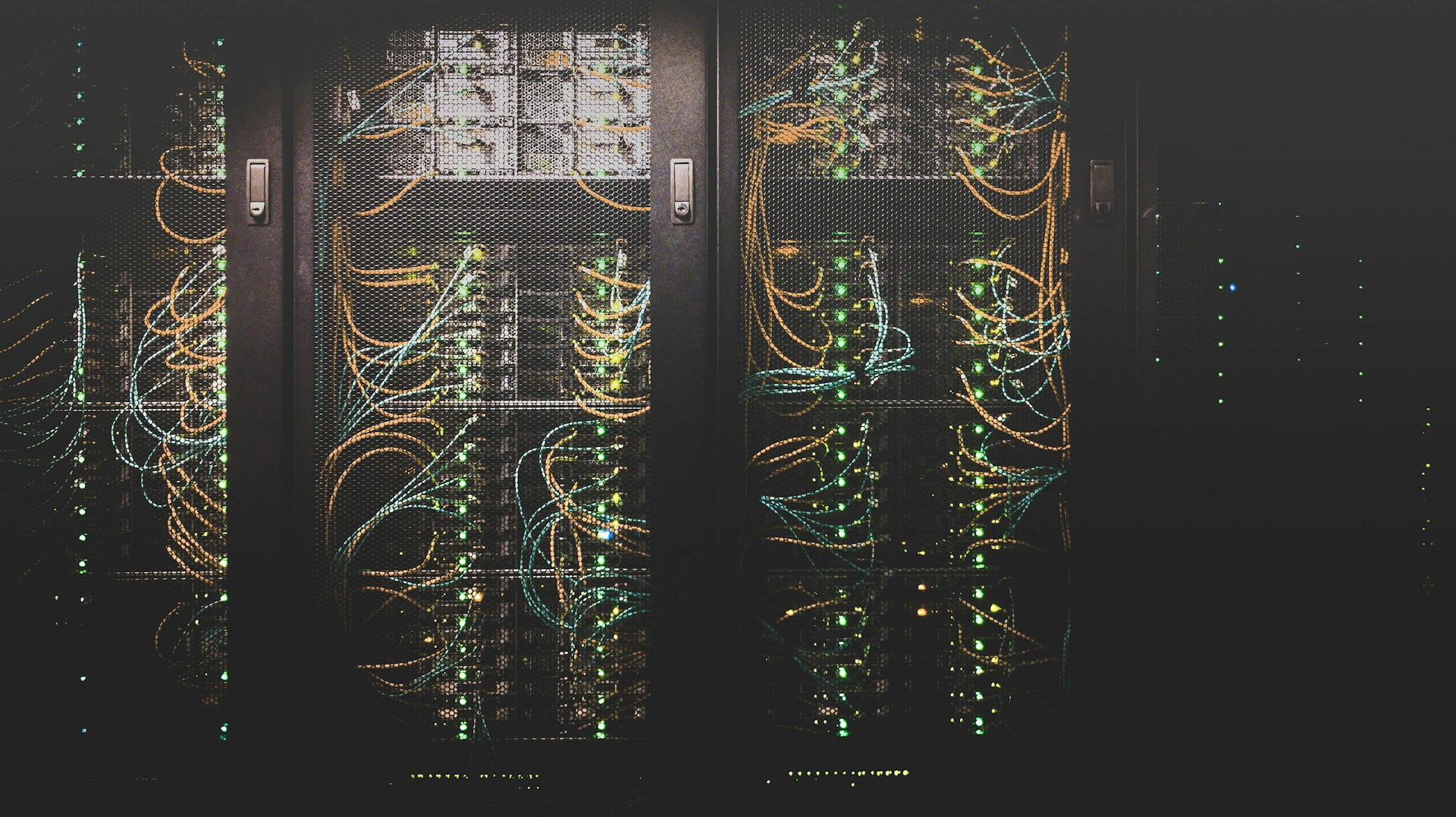
In 2025, something quietly historic happened in the United States: construction spending on data centers surpassed general office building construction.
This wasn’t headline news. But it should have been.
It marks a fundamental shift in how civilization allocates capital, space, and resources. We’re not just building digital infrastructure—we’re building it instead of physical infrastructure.
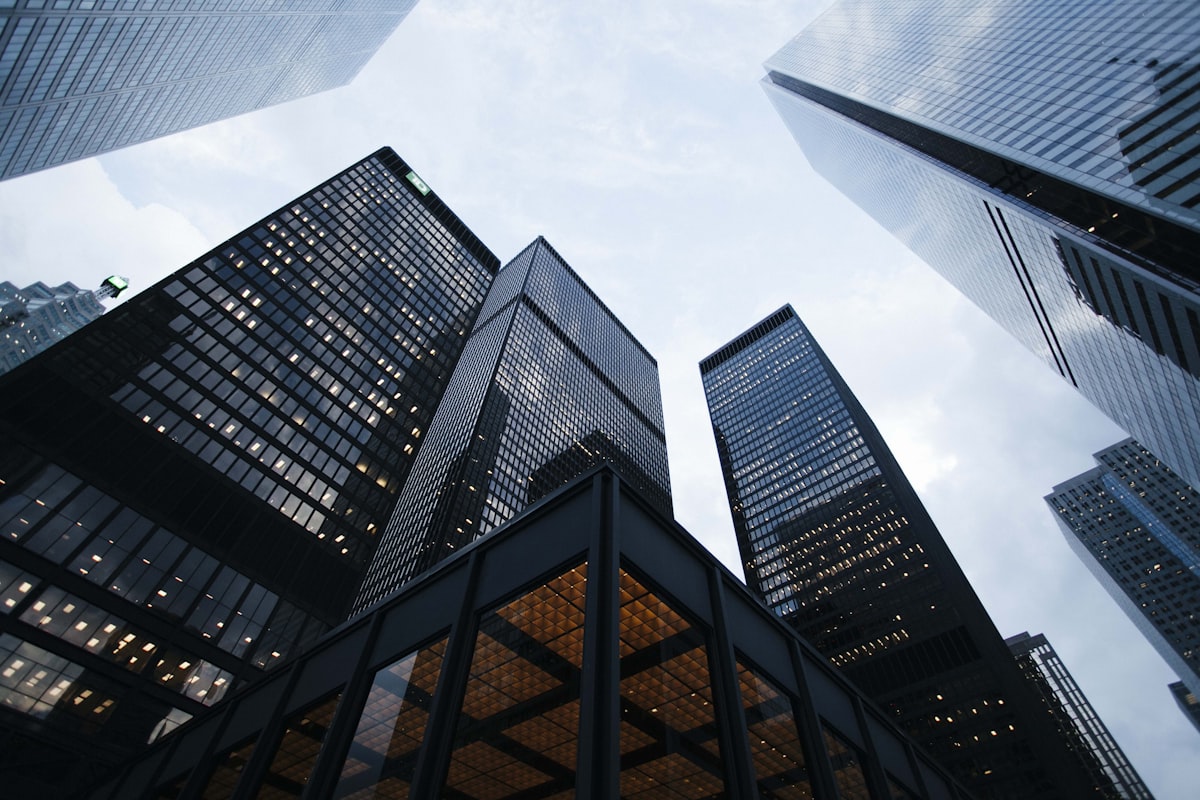 The skyline is changing. Office towers give way to server farms.
By the Numbers 📈
The Scale of the Shift
| Metric | Value |
|---|---|
| Data center market size (2025) | $383.82 billion |
| Projected market size (2033) | $902.19 billion |
| North America investment (2025-2030) | $1 trillion |
| Top 3 US data center REITs pipeline | $9.8 billion (up from $1.5B in 2021) |
| Global data generation (2025) | 181 zettabytes |
The Growth Rate
The three largest US data center REITs—Digital Realty, Equinix, and Iron Mountain—have expanded their project pipelines at a 65% compound annual growth rate since 2021.
Let that sink in. A 65% CAGR in real estate infrastructure.
For context: traditional commercial real estate grows at 3-5% annually in good times.
What It Actually Means 🎯
The Great Migration Online
Here’s the key insight: humans have moved their entertainment and workspace online.
This isn’t about technology. It’s about where humans exist.
| Then | Now |
|---|---|
| Offices | Cloud workspaces |
| Shopping malls | E-commerce platforms |
| Movie theaters | Streaming services |
| Conference rooms | Zoom/Teams |
| File cabinets | Data centers |
The physical spaces we used to inhabit are being replaced by digital equivalents. And those digital equivalents live in data centers.
From Physical Real Estate to Digital Real Estate
| Physical Real Estate | Digital Real Estate |
|---|---|
| Office buildings | Cloud servers |
| Retail space | E-commerce platforms |
| Warehouses | Data centers |
| Residential | Metaverse spaces |
| Location value | Compute access |
Capital is voting. Investors are putting money into where humans will be—online—not where they used to be—offline.
The Phenomena Unfolding 🔮
1. Office Vacancy Rates Will Keep Rising
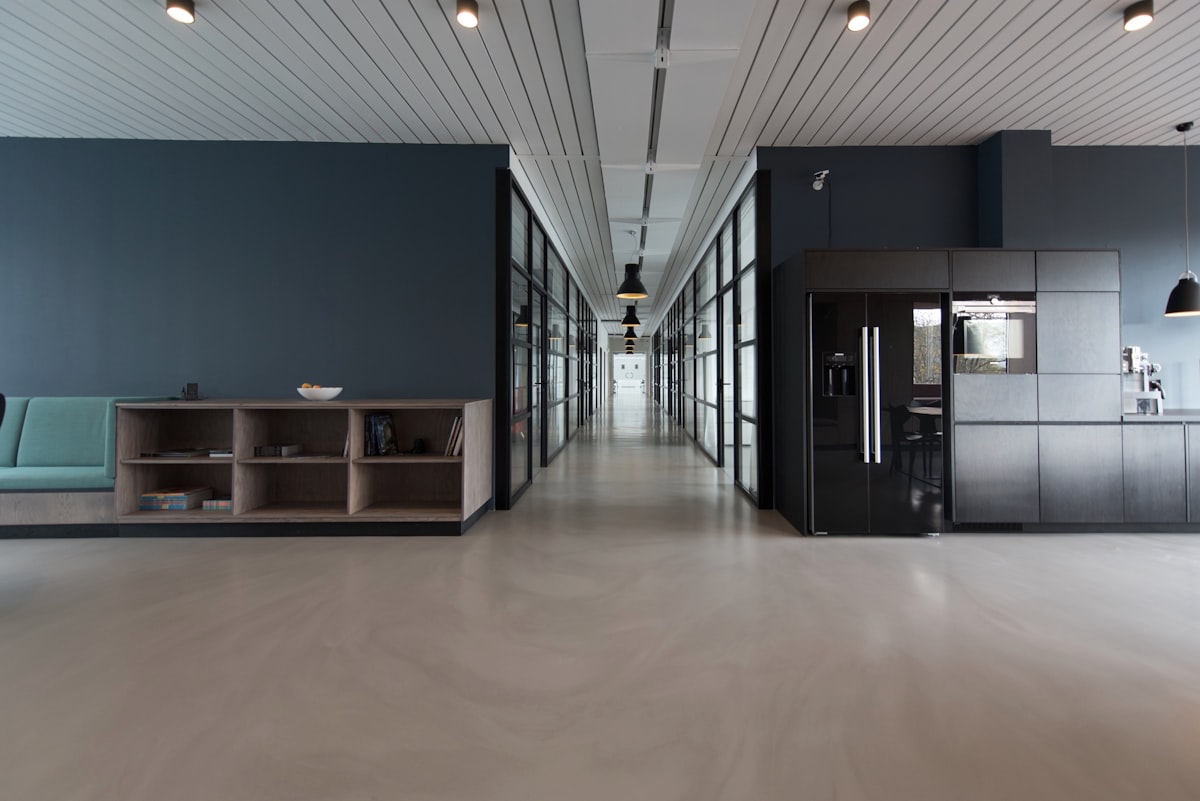 The office building glut is structural, not cyclical.
This is already happening. Remote work isn’t a pandemic aberration—it’s a permanent shift.
- 60% of Fortune 100 employees are required in-office full-time (2025)
- But smaller, more agile companies are fully remote
- The talent war favors flexibility
- Office demand won’t recover to 2019 levels
The office building glut is structural, not cyclical.
2. Commercial Land Values Will Diverge
Not all commercial real estate is equal anymore.
| Rising Value | Falling Value |
|---|---|
| Data center sites | Office buildings |
| Powered land | Retail centers |
| Industrial-flex | Traditional malls |
| Last-mile logistics | Department stores |
Land with power access, cooling infrastructure, and connectivity commands a premium. Land that only has “location” becomes a liability.
3. Downtowns Will Be Rewritten
City centers built around office towers face an existential question: what now?
- Residential conversion: Offices become apartments (harder than it sounds)
- Mixed-use redevelopment: Adding retail, entertainment, community spaces
- Specialized uses: Medical, educational, light industrial
- Demolition: Some buildings have no viable future use
The cities that adapt fastest will thrive. The ones that cling to the old model will decay.
4. Jobs Are Moving
| From | To |
|---|---|
| Office construction | Data center construction |
| Property management | IT infrastructure management |
| Retail services | Digital services |
| Corporate facilities | Cloud operations |
This is a massive labor market transition that nobody is talking about.
5. The New Wealth Hierarchy
When data centers become more valuable than office towers, the asset hierarchy changes:
Old Hierarchy:
- Location (prime real estate)
- Tenants (reliable income)
- Building quality
New Hierarchy:
- Power access (the lifeblood)
- Cooling infrastructure (the constraint)
- Connectivity (the value driver)
- Location (increasingly irrelevant)
The new real estate question isn’t “where is it?” but “can it power a data center?”
The Deeper Truth 🔍
This shift reveals something profound about human civilization.
We used to build spaces for bodies. Now we build spaces for minds.
Physical architecture was the infrastructure of an industrial society. Digital architecture is the infrastructure of an information society.
The data center is the cathedral of our age. Not because we worship it, but because it’s where our collective existence lives.
What’s Next ⏭️
This is Part 2 of a three-part series:
- Part 1: When Energy Cost Approaches Zero
- Part 2 (this post): Data centers surpass commercial real estate
- Part 3: AI agents as economic entities
The connection: Cheap energy (Part 1) enables massive data center buildout (Part 2), which enables AI agents to operate at scale (Part 3).
Investment Implications 💰
For investors, this shift creates both opportunities and risks:
Opportunities:
- Data center REITs (Digital Realty, Equinix, Iron Mountain)
- Power infrastructure and utilities
- Cooling technology companies
- Land with data center potential
- Edge computing facilities
Risks:
- Traditional office REITs
- Retail real estate
- Commercial mortgage-backed securities (CMBS)
- Downtown commercial districts
- Companies tied to physical office culture
The key question for any real estate investment: Does this become more or less valuable in a digital-first world?
The Bottom Line 💎
The data center surpassing commercial real estate isn’t a tech story. It’s a human story.
It’s the physical manifestation of a civilization migrating from atoms to bits. From physical presence to digital presence. From buildings to servers.
We no longer build buildings. We build servers.
And the servers are where we now live.
📚 References & Further Reading
Key Research Sources
Data Center Market Data:
- JLL - North America Data Center Report 2025 - Market size and investment trends
- CBRE - US Real Estate Market Outlook 2025 - Data center sector analysis
- Grand View Research - Data Center Market Size Report
- Capright - Data Center REIT Pipeline Analysis
Construction Spending Shift:
- US Census Bureau - Construction Spending Data
- Goodwin Law - Commercial Real Estate Analysis
- Data Center Frontier - Industry news and analysis
Commercial Real Estate Impact:
- Nareit (National Association of Real Estate Investment Trusts) - REIT data
- Cushman & Wakefield - Office Vacancy Reports
- CBRE Research - Office Market Outlook
Data Center REITs:
- Digital Realty (DLR) - Investor relations
- Equinix (EQIX) - Market reports
- Iron Mountain (IRM) - Data center division
Data Generation Growth:
- IDC - Global DataSphere Forecast
- Statista - Data volume projections
Recommended Reading
| Book | Author | Why It Helps | Get It |
|---|---|---|---|
| The Infinite Machine | Camila Russo | Understanding digital infrastructure evolution | Amazon |
| The Great Reset | Richard Florida | Urban transformation post-pandemic | Amazon |
| Remote Work Revolution | Nicholas Bloom | Stanford research on work-from-home trends | Amazon |
Key Statistics
- 181 ZB: Global data generated in 2025
- 65% CAGR: Data center REIT pipeline growth (2021-2025)
- $1 trillion: Projected North America data center investment (2025-2030)
- 5 years: Median time for grid interconnection
- 80%: Project withdrawal rate from queues
Read the full series: