The Paradox We Face 🔄
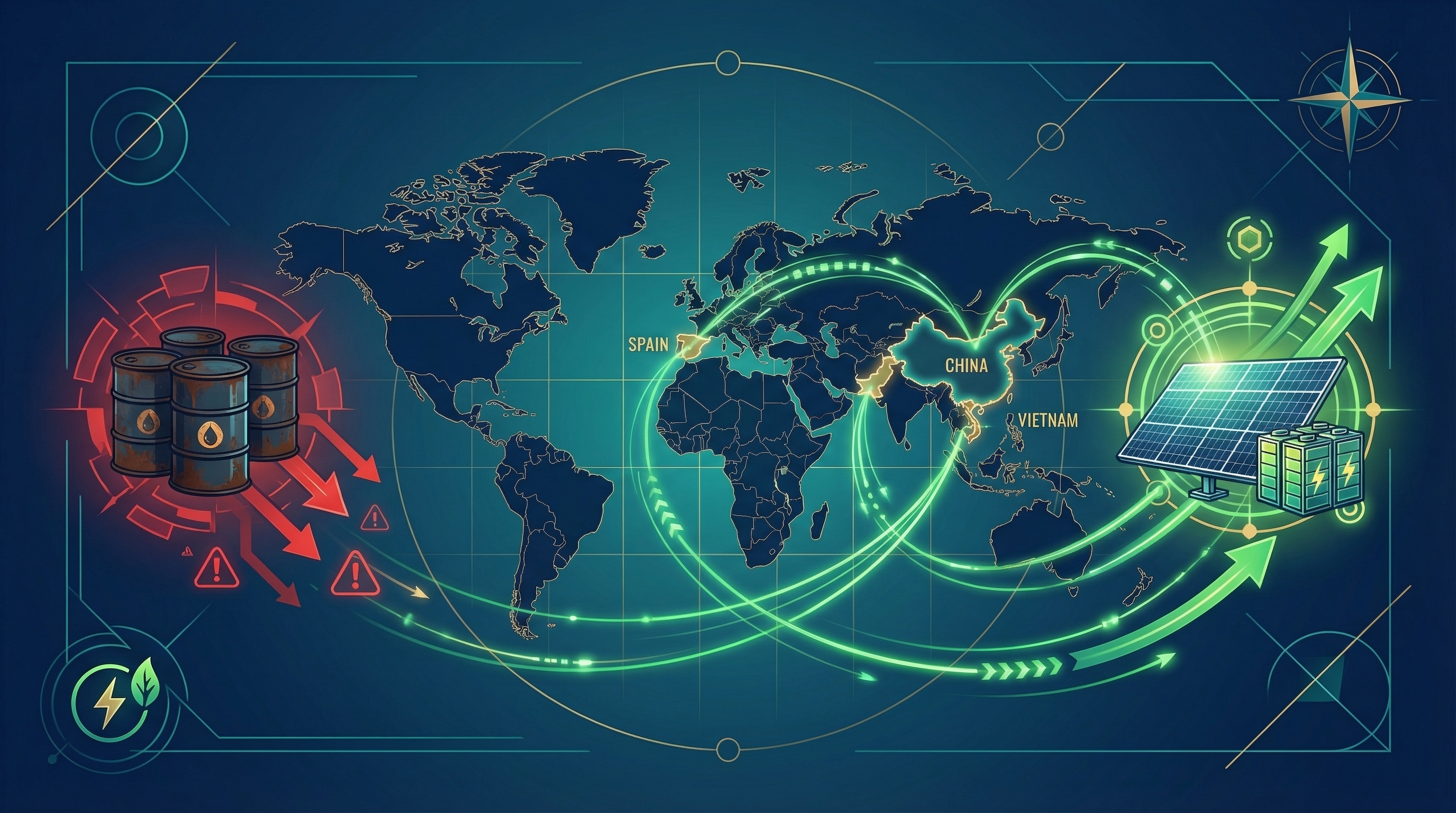
The global energy market is trapped in a bizarre contradiction.
Households and businesses suffer from rising energy prices and climate crisis anxiety. Yet behind the scenes, thousands of gigawatts of clean energy sit dormant—waiting for grid connection.
In the United States alone, 2,600GW of new generation projects sit in interconnection queues. This isn’t an administrative delay. It’s a systemic market failure—an extraction-based paradigm unable to absorb creation-based technologies growing exponentially.
We’re standing at an inflection point: the collapse of the old order colliding with the emergence of energy super abundance.
 The bottleneck isn’t energy supply—it’s the system designed for scarcity trying to manage abundance.
The 2,600GW Waiting Room: Breakdown or Breakthrough? 📊
The Numbers That Should Shock You
| Metric | Value |
|---|---|
| Queue backlog (2026) | 2,600GW |
| Queue backlog (2021) | 1,400GW |
| Median time to operation | 5 years |
| Google data center grid connection estimate | Up to 12 years |
| Project withdrawal rate | 80% |
| Historical completion rate (2000-2018) | 20% |
The Market Failure
This queue is no longer a functioning process. It’s a primary driver of project failure.
Consider PJM, the largest US wholesale electricity market: connection delays prevented cheap new generation from coming online. A single auction saw consumer costs spike by $7 billion.
The vicious cycle is clear: linear-thinking centralized grids cannot process exponentially-growing distributed electrons.
The Solution Isn’t More Wires
What’s needed isn’t simply building more transmission lines. It’s a shift to software-defined grids:
- Grid Enhancing Technologies (GETs) to maximize existing infrastructure
- AI-based platforms (like Grid Unity) to optimize capacity
- Dynamic line rating, power flow control, advanced conductors
The bottleneck isn’t energy supply. It’s the system designed for scarcity trying to manage abundance.
100% SWB: The Inevitable Design of Techno-Economics ⚡
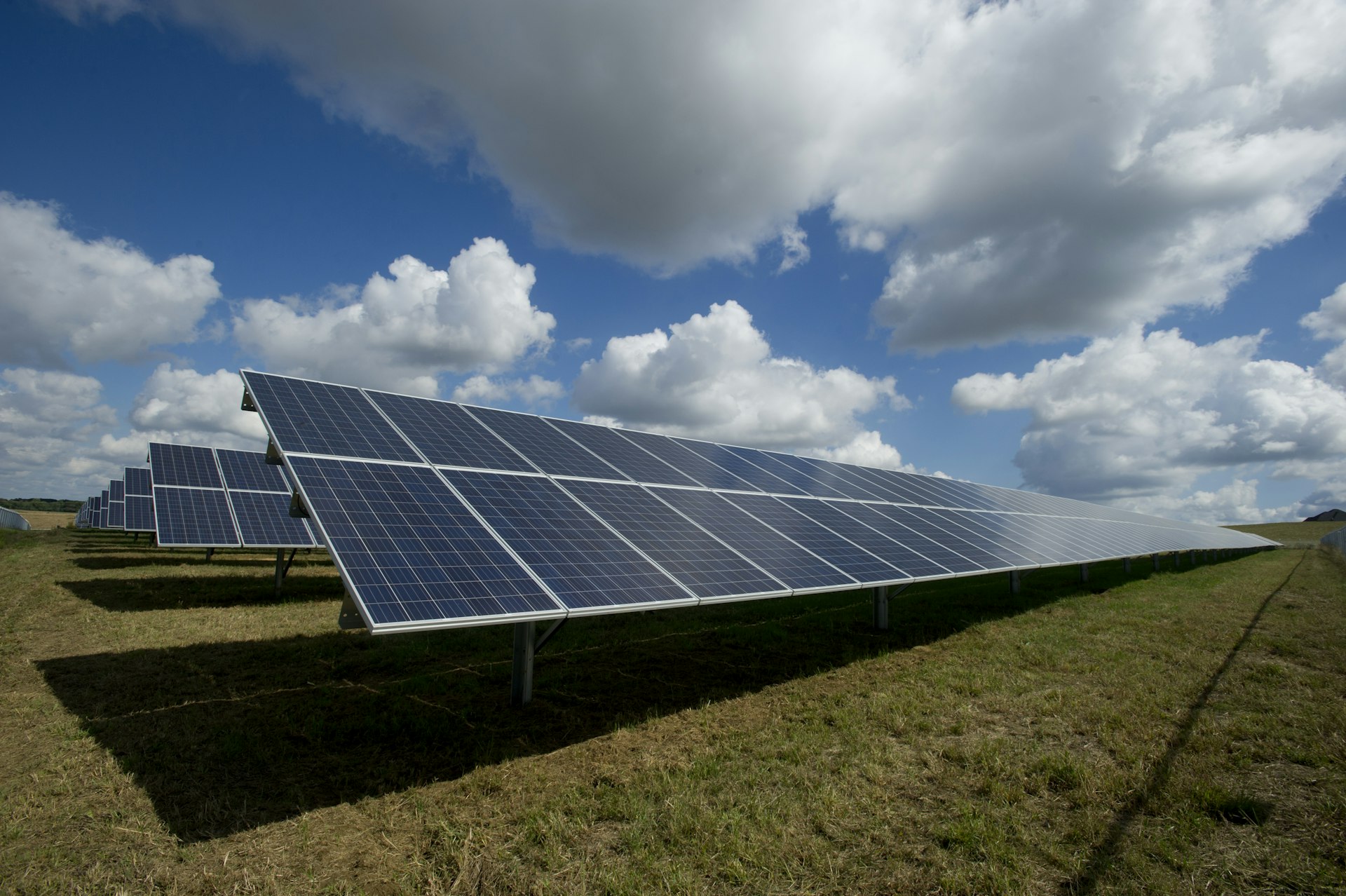
The energy transition isn’t driven by environmentalists’ slogans. It’s driven by Solar + Wind + Battery (SWB) systems creating an economic inevitability.
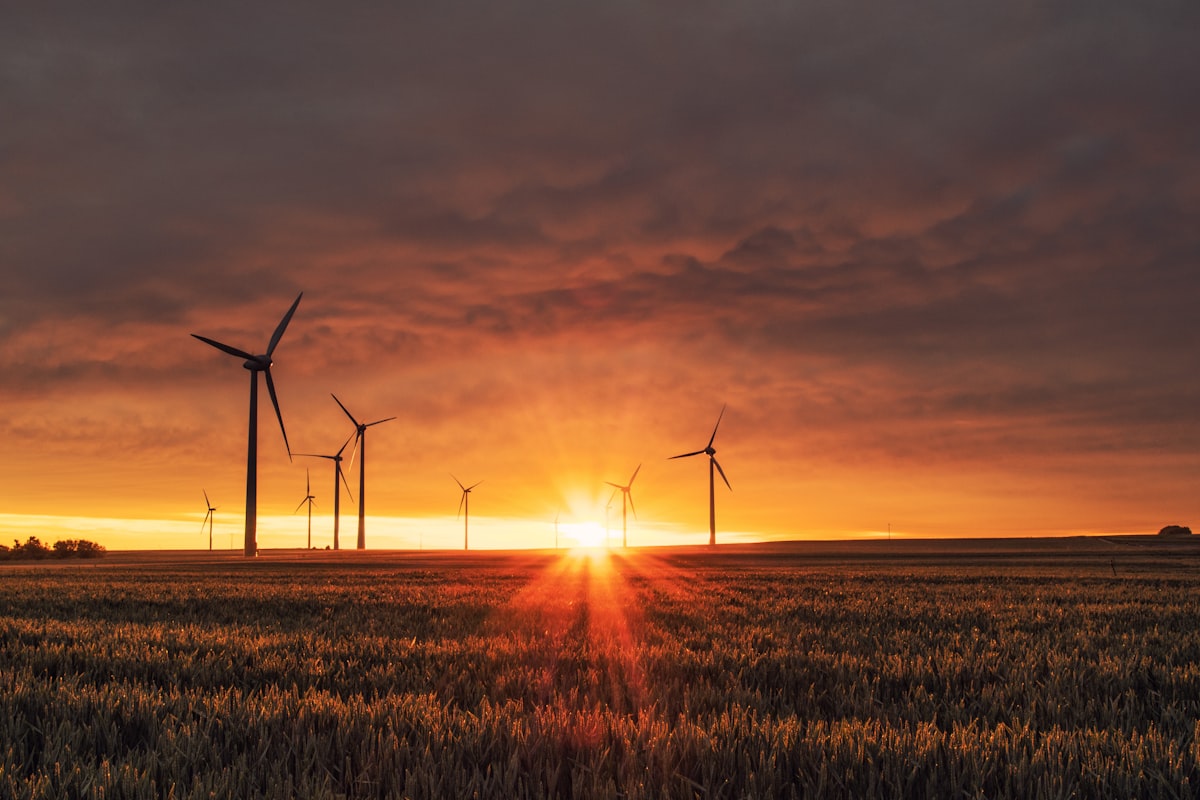 Solar + Wind + Battery: The three technologies reshaping energy economics.
The Cost Collapse
| Technology | Annual Cost Decline |
|---|---|
| Solar | 12% |
| Wind | 5.5% |
| Battery | 15% |
By 2030, SWB will be the cheapest energy option in most regions globally. This isn’t a prediction—it’s math.
The U-Curve Logic
Here’s what most people get wrong about 100% renewable energy:
Common belief: You need weeks of battery storage to make it work. Too expensive.
Reality: RethinkX analysis shows that overbuilding generation capacity to 4-7x peak demand actually minimizes total system cost.
 The solution isn’t more batteries—it’s more generation capacity.
Why? Because excess generation reduces the need for expensive battery capacity. This nonlinear tradeoff (U-Curve Logic) means:
- More solar panels = fewer batteries needed
- Overbuilding is cheaper than storing
- The optimal system produces far more energy than needed
Stranded Assets
When marginal cost approaches zero, fuel-burning plants cannot maintain capital efficiency.
Natural gas and oil asset collapse began in the mid-2020s. New investment in these technologies is now irrational.
Super Power: The Zero-Margin Energy Era 🌟
The true value of 100% SWB systems isn’t just meeting demand. It’s the Super Power—the overwhelming surplus energy produced most of the year.
This phenomenon mirrors what happened in information technology: bits became nearly free. Now electrons are following the same path.
California and Texas Case Studies
| Region | Additional Investment | Super Power Production Increase |
|---|---|---|
| California | 10-20% | 190%+ (nonlinear) |
| Texas | 10% | 310 TWh annually |
What does 310 TWh mean?
It’s enough to power:
- All global data centers (200 TWh, 2018)
- All Bitcoin mining (69 TWh)
- Plus Hong Kong’s entire electricity needs (41 TWh)
…with just 10% additional investment in Texas alone.
The Business Model Inversion
| Then | Now |
|---|---|
| Energy is cost | Energy is marketing tool |
| Conserve at all costs | Waste is not using |
| Price per kWh matters | Super Power is nearly free |
Real examples:
- Walmart could offer free EV charging to attract customers
- Cost to fully charge a 75kWh Tesla battery: under $1
- A restaurant could charge an electric bus (worth $6) for the price of one customer’s meal
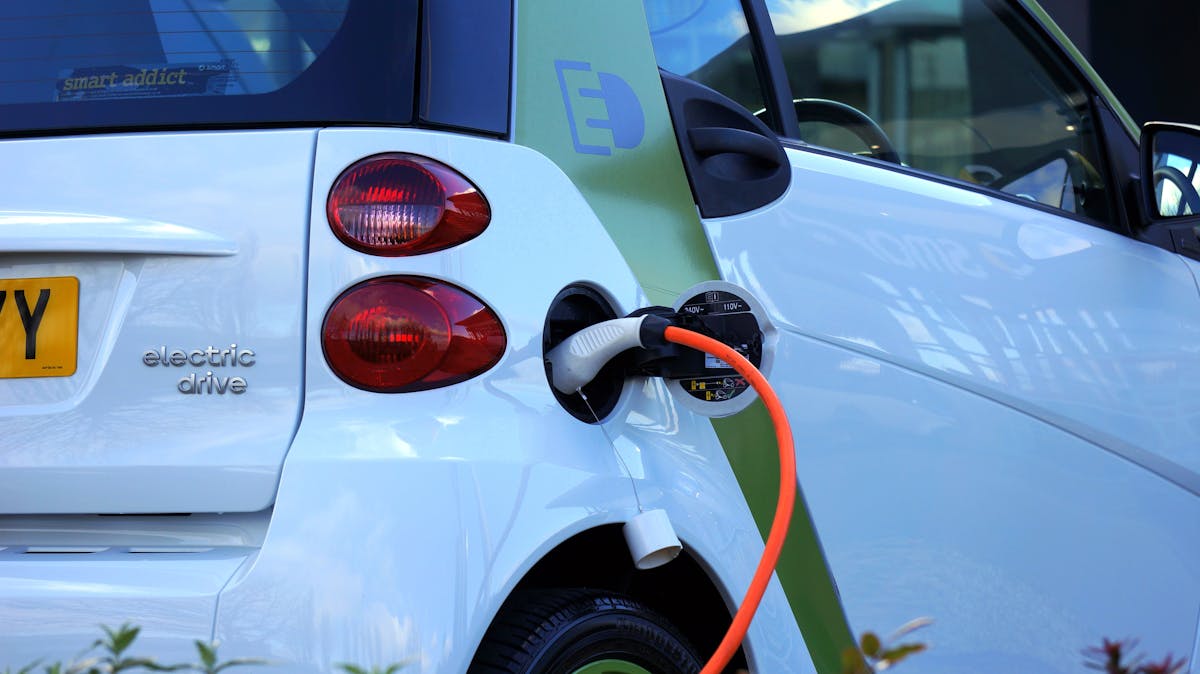 When energy costs approach zero, charging becomes a marketing tool, not a cost center.
Energy transforms from cost center to value creation tool.
The Five Axes of Transformation 🌍
1. The Democratization of Production
When manufacturing costs collapse, small-scale producers compete with giants.
- 3D printing at industrial scale becomes affordable
- Robotic automation no longer requires enterprise capital
- Local production becomes cheaper than global supply chains
Anyone can own a factory.
2. The End of Water Scarcity
70% of desalination costs are energy.
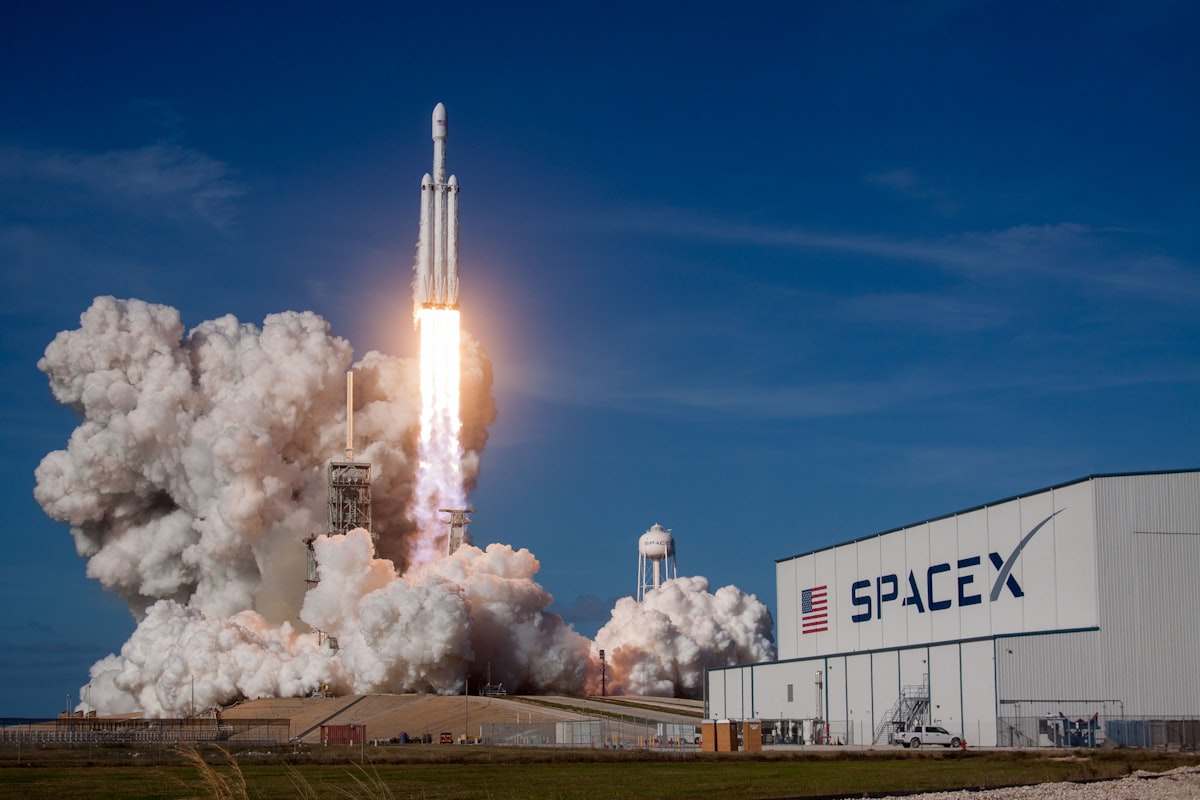 When desalination becomes cheap, water scarcity becomes a choice, not a destiny.
When energy becomes cheap:
- Desalination becomes economically viable at scale
- Agriculture transforms—deserts can bloom
- “Water wars” become obsolete
- The 2 billion people facing water stress get relief
This alone changes geopolitics.
3. Transportation Revolution
| Current Cost | Future Cost | Impact |
|---|---|---|
| EV charging | Near-zero | Personal transport costs collapse |
| Drone delivery | 90% cheaper | Last-mile logistics solved |
| Hyperloop | Economically viable | Inter-city travel transformed |
| Shipping | Fraction of current | Global trade costs plummet |
Distance becomes meaningless.
4. Digital Infrastructure Explosion
Data center operations are 60% electricity costs.
When energy costs approach zero:
- AI compute costs collapse—intelligence becomes a utility
- Cloud storage becomes essentially free
- Blockchain validation loses its energy stigma
- VR/AR infrastructure scales without constraint
Intelligence becomes like water or air—ubiquitous, essential, nearly free.
5. New Inequalities Emerge
When energy is cheap, what becomes valuable?
- Land—not for location, but for solar/wind capacity
- Rare earth minerals—the inputs for energy conversion
- Intellectual property—the designs that use cheap energy
- Computational resources—when everyone has energy, compute becomes the bottleneck
The new divide: Those who control the technology to convert free energy into value, and those who don’t.
A New Ethic: From Conservation to Active Use 🔄
For a century, we lived in an era where saving energy was virtuous.
In the 100% SWB era, efficiency is defined not by minimum use but by maximum utilization.
Just as digital cameras made “saving film” obsolete, not using zero-marginal-cost energy becomes the true waste.
New possibilities:
- Carbon capture powered by Super Power
- Water treatment at massive scale
- Metal smelting without fuel costs
- Solutions to social challenges previously blocked by energy economics
The goal shifts from consuming less to expanding the Societal Capability Frontier.
The Timeline ⏱️
| Year | Milestone |
|---|---|
| 2021 | Queue backlog 1,400GW |
| 2026 | Queue backlog 2,600GW (paradox peak) |
| 2027 | Grid-enhancing technologies mainstream |
| 2030 | SWB cheapest in most regions; Super Power emerging |
| 2035 | Energy costs 50% lower in real terms |
| 2040 | Energy “too cheap to meter” in optimal locations |
The transition is uneven. But the direction is clear.
The Question No One Is Asking ❓
The 2,600GW grid bottleneck isn’t a problem to solve. It’s a symptom of a larger truth:
The old system is breaking because abundance is already here.
The bottleneck is the last convulsion before collapse.
Winners: Those who redesign infrastructure and harness Super Power Losers: Those who cling to stranded assets
What value will you create in a world where energy is as abundant as air and as cheap as information?
What This Series Is About 📚
This is Part 1 of a three-part series exploring the transition from physical to digital civilization:
- Part 1 (this post): Energy super abundance
- Part 2: Data centers surpass commercial real estate—what it means
- Part 3: AI agents as economic entities
The thread connecting them: Humanity is migrating from physical space to digital space. Energy abundance powers that migration. Data centers are the new real estate. AI agents are the new economic actors.
The Bottom Line 💎
Energy approaching zero cost isn’t just an economic shift—it’s a civilizational transition.
But the paradox of our time: we already have the technology. We already have the projects. What we lack is the system to absorb them.
The question isn’t whether we’ll have abundance. The question is how fast we can clear the bottleneck.
Energy may become free. But freedom never is.
📚 References & Further Reading
Key Research Sources
Grid Interconnection Bottleneck:
- Berkeley Lab - Queued Up - Analysis of interconnection queue dynamics
- PJM Interconnection Market Data - Consumer cost impact analysis
- Grid Unity - AI-based grid optimization platform
SWB Economics & Super Power:
- RethinkX - Rethinking Energy - Original research on SWB disruption and U-Curve logic
- California Independent System Operator (CAISO) - Curtailment and Super Power data
- ERCOT (Texas) - Grid capacity and renewable integration reports
Cost Decline Data:
- NREL (National Renewable Energy Laboratory) - Solar and wind cost benchmarks
- BloombergNEF - Battery price surveys
- Lazard - Levelized Cost of Energy (LCOE) reports
Stranded Assets:
- Carbon Tracker Initiative - Fossil fuel asset stranding analysis
- International Energy Agency (IEA) - Net Zero scenarios
Water-Energy Nexus:
- US Department of Energy - Desalination energy requirements
- World Resources Institute - Global water stress data
Data Center Energy:
- International Energy Agency - Data centers and data transmission networks
- Bitcoin Energy Consumption Index - Cambridge Centre for Alternative Finance
Recommended Reading
| Book | Author | Why It Helps | Get It |
|---|---|---|---|
| The Grid | Gretchen Bakke | Understanding electrical infrastructure and its challenges | Amazon |
| Superpower | Russell Gold | One man’s quest to transform American energy | Amazon |
| Energy: A Human History | Richard Rhodes | Historical context on energy transitions | Amazon |
Key Concepts Explained
- SWB: Solar + Wind + Battery systems
- Super Power: Surplus energy produced when SWB capacity exceeds demand
- U-Curve Logic: Nonlinear optimization where overbuilding generation reduces total system cost
- Grid Enhancing Technologies (GETs): Technologies that increase capacity of existing transmission lines
- Stranded Assets: Investments that lose value before expected end of life
Next in this series: Data Centers Surpass Commercial Real Estate (Part 2)